

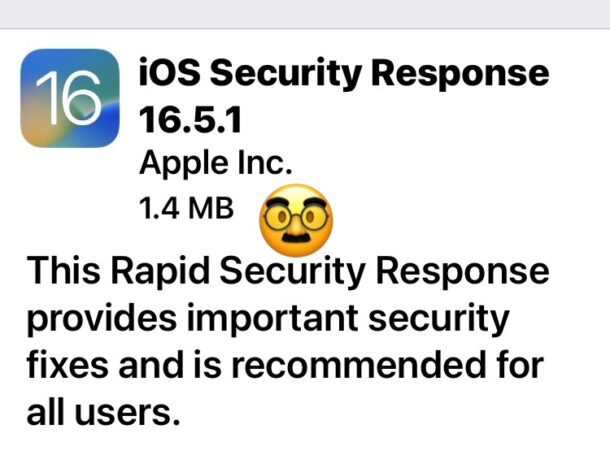
The digital landscape is constantly evolving, with new threats and vulnerabilities emerging every day. To stay ahead of these challenges, software developers and device manufacturers are increasingly relying on rapid response updates. These aren’t your typical scheduled software releases; they’re targeted interventions designed to quickly address critical security flaws and performance issues. Understanding what these updates are, how they work, and why they’re essential can significantly improve your digital safety and overall user experience. These updates are sent to us to help prevent harm.
Key Takeaways:
- Rapid response updates are critical for quickly addressing security vulnerabilities and performance issues.
- These updates are often smaller and more targeted than traditional software releases.
- Staying informed about and promptly installing these updates is essential for maintaining device security.
- Users benefit from improved stability and protection against emerging threats.
What is a Rapid Response Update?
A rapid response update is a software patch or fix that is deployed quickly and efficiently to address an urgent issue, usually a security vulnerability that is being actively exploited. Unlike larger, scheduled software releases that bundle numerous changes and features, these updates are laser-focused on resolving the specific problem at hand. Think of them as emergency measures designed to plug holes in your digital defenses before attackers can exploit them.
The urgency of these updates stems from the speed at which cyber threats can spread. Once a vulnerability is made public, malicious actors often race to develop exploits and target vulnerable systems. A rapid response update aims to close that window of opportunity by delivering the necessary fix before widespread damage can occur. This proactive approach is vital for protecting individuals and organizations from data breaches, malware infections, and other cyber attacks. The security of us is a priority.
Why are Rapid Response Updates Important?
The importance of a rapid response update cannot be overstated in today’s threat environment. Cyberattacks are becoming increasingly sophisticated and frequent, and even a single unpatched vulnerability can provide attackers with a foothold into your systems. These updates are the digital equivalent of calling the plumber when you have a burst pipe – you need to act quickly to prevent serious damage.
By promptly installing these updates, you’re essentially reinforcing your digital defenses and minimizing the risk of exploitation. This not only protects your personal data and privacy but also contributes to a safer online environment for everyone. Delaying or ignoring these updates leaves you vulnerable and potentially allows attackers to use your devices to launch further attacks. Users need to be vigilant.
How Do I Get Rapid Response Updates?
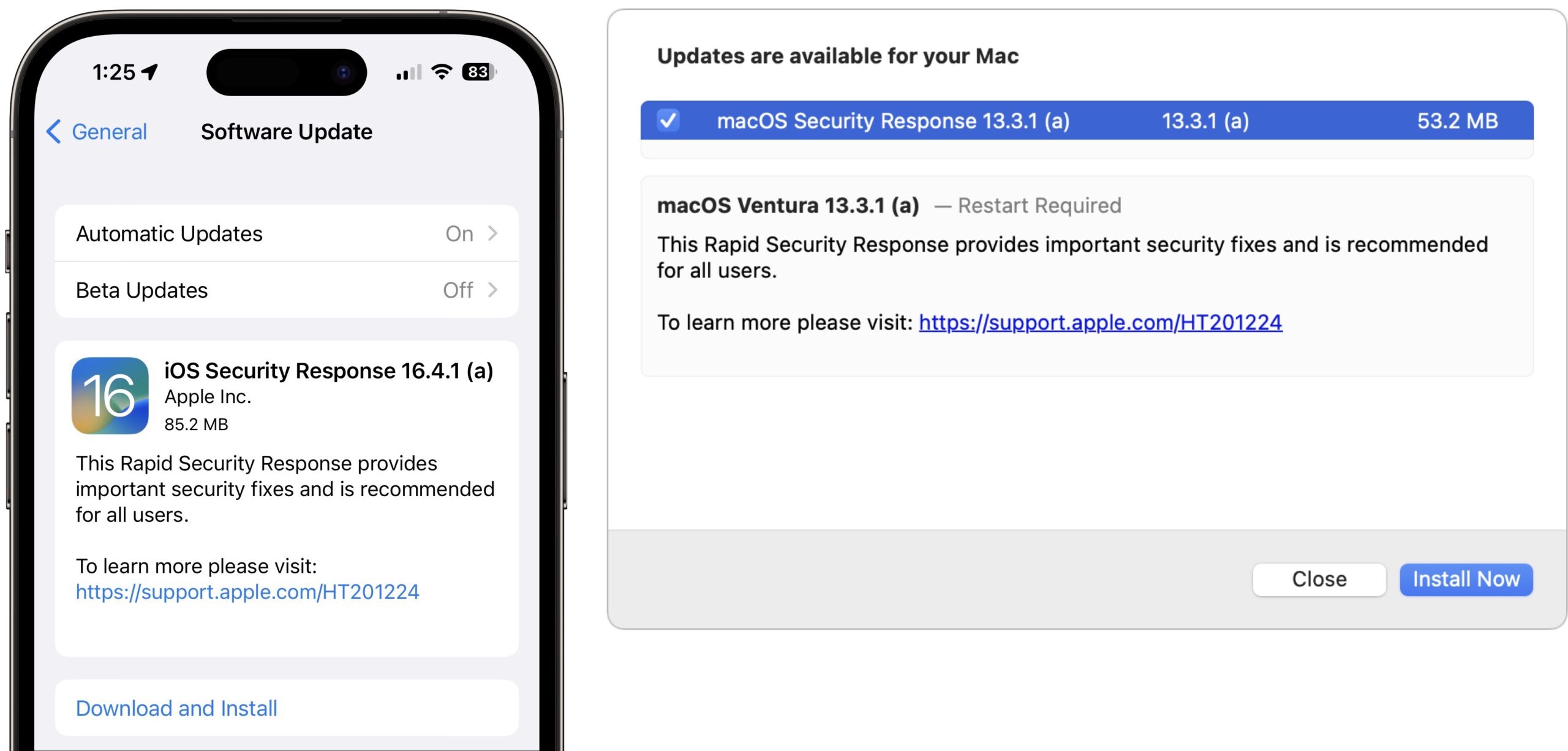
The delivery method for a rapid response update varies depending on the device and operating system. Typically, these updates are pushed out automatically to devices that have automatic updates enabled. You might receive a notification prompting you to install the update, or it might be installed silently in the background.
It’s important to ensure that your devices are configured to receive automatic updates. This is usually found in the settings menu of your device, under the “Software Update” or “System Update” section. Regularly checking for updates manually is also a good practice, especially if you’re concerned about a specific vulnerability that has been widely reported.
Furthermore, pay attention to security advisories and news reports about emerging threats. This will help you stay informed about potential risks and take proactive steps to protect your devices. Keep in mind that scammers sometimes try to trick users into installing malicious software by posing as legitimate update providers, so always download updates from official sources.
Understanding the Impact of Rapid Response Updates
While rapid response updates are crucial for security, it’s also important to understand their potential impact. Because they’re deployed quickly, they may sometimes introduce unintended side effects or compatibility issues. In rare cases, an update might cause a specific application to malfunction or lead to minor performance glitches.
Before installing a rapid response update, it’s always a good idea to back up your important data. This will allow you to restore your device to its previous state if anything goes wrong. You can also check online forums and communities to see if other users have reported any problems with the update. Usually, these issues are minor and quickly resolved by the developer with a subsequent update.